Description:
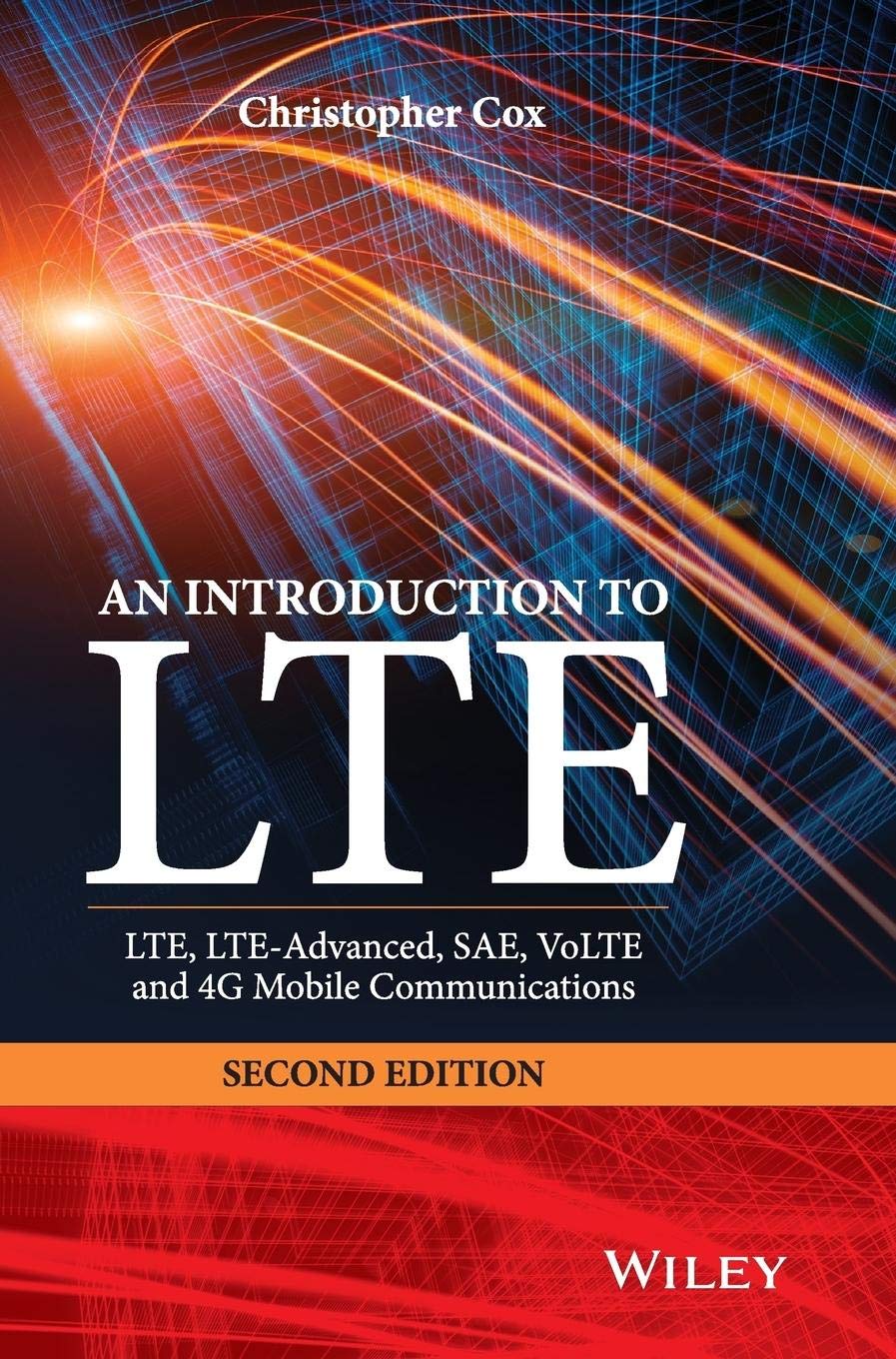
Following on from the successful first edition (March 2012), this book gives a clear explanation of what LTE does and how it works. The content is expressed at a systems level, offering readers the opportunity to grasp the key factors that make LTE the hot topic amongst vendors and operators across the globe. The book assumes no more than a basic knowledge of mobile telecommunication systems, and the reader is not expected to have any previous knowledge of the complex mathematical operations that underpin LTE.
This second edition introduces new material for the current state of the industry, such as the new features of LTE in Releases 11 and 12, notably coordinated multipoint transmission and proximity services; the main short- and long-term solutions for LTE voice calls, namely circuit switched fallback and the IP multimedia subsystem; and the evolution and current state of the LTE market. It also extends some of the material from the first edition, such as inter-operation with other technologies such as GSM, UMTS, wireless local area networks and cdma2000; additional features of LTE Advanced, notably heterogeneous networks and traffic offloading; data transport in the evolved packet core; coverage and capacity estimation for LTE; and a more rigorous treatment of modulation, demodulation and OFDMA. The author breaks down the system into logical blocks, by initially introducing the architecture of LTE, explaining the
techniques used for radio transmission and reception and the overall operation of the system, and concluding with more specialized topics such as LTE voice calls and the later releases of the specifications. This methodical approach enables readers to move on to tackle the specifications and the more advanced texts with confidence.
From the Inside Flap
Following on from the successful first edition (March 2012), this book gives a clear explanation of what LTE does and how it works. The content is expressed at a systems level, offering readers the opportunity to grasp the key factors that make LTE the hot topic amongst vendors and operators across the globe. The book assumes no more than a basic knowledge of mobile telecommunication systems, and the reader is not expected to have any previous knowledge of the complex mathematical operations that underpin LTE.
This second edition introduces new material for the current state of the industry, such as the new features of LTE in Releases 11 and 12, notably coordinated multipoint transmission and proximity services; the main short- and long-term solutions for LTE voice calls, namely circuit switched fallback and the IP multimedia subsystem; and the evolution and current state of the LTE market. It also extends some of the material from the first edition, such as inter-operation with other technologies such as GSM, UMTS, wireless local area networks and cdma2000; additional features of LTE Advanced, notably heterogeneous networks and traffic offloading; data transport in the evolved packet core; coverage and capacity estimation for LTE; and a more rigorous treatment of modulation, demodulation and OFDMA. The author breaks down the system into logical blocks, by initially introducing the architecture of LTE, explaining the
techniques used for radio transmission and reception and the overall operation of the system, and concluding with more specialized topics such as LTE voice calls and the later releases of the specifications. This methodical approach enables readers to move on to tackle the specifications and the more advanced texts with confidence.
From the Back Cover
Following on from the successful first edition (March 2012), this book gives a clear explanation of what LTE does and how it works. The content is expressed at a systems level, offering readers the opportunity to grasp the key factors that make LTE the hot topic amongst vendors and operators across the globe. The book assumes no more than a basic knowledge of mobile telecommunication systems, and the reader is not expected to have any previous knowledge of the complex mathematical operations that underpin LTE.
This second edition introduces new material for the current state of the industry, such as the new features of LTE in Releases 11 and 12, notably coordinated multipoint transmission and proximity services; the main short- and long-term solutions for LTE voice calls, namely circuit switched fallback and the IP multimedia subsystem; and the evolution and current state of the LTE market. It also extends some of the material from the first edition, such as inter-operation with other technologies such as GSM, UMTS, wireless local area networks and cdma2000; additional features of LTE Advanced, notably heterogeneous networks and traffic offloading; data transport in the evolved packet core; coverage and capacity estimation for LTE; and a more rigorous treatment of modulation, demodulation and OFDMA. The author breaks down the system into logical blocks, by initially introducing the architecture of LTE, explaining the
techniques used for radio transmission and reception and the overall operation of the system, and concluding with more specialized topics such as LTE voice calls and the later releases of the specifications. This methodical approach enables readers to move on to tackle the specifications and the more advanced texts with confidence.
About the Author
Details:
Visit the Wiley Store
An Introduction to LTE: LTE, LTE-Advanced, SAE, VoLTE and 4G Mobile Communications
QAR51707
Quantity:
Order today to get by 7-14 business days
This item qualifies for free delivery
 Imported From: United States
At BOLO, we work hard to ensure the products you receive are new, genuine, and sourced from reputable suppliers.
Every product in the BOLO catalogue is sourced through our Verified Global Supply Network of verified sellers, authorized distributors or directly from the manufacturer.
Each product undergoes thorough inspection and verification at our consolidation and fulfilment centers to ensure it meets our strict authenticity and quality standards before being shipped and delivered to you.
If you ever have concerns regarding the authenticity of a product purchased from us, please contact Bolo Support. We will review your inquiry promptly and, if necessary, provide documentation verifying authenticity or offer a suitable resolution.
Your trust is our top priority, and we are committed to maintaining transparency and integrity in every transaction.
While we strive to display accurate information, variations in packaging, labeling, instructions, or formulation may occasionally occur due to regional differences or supplier updates. For detailed or manufacturer-specific information, please contact the brand directly or reach out to BOLO Support for assistance.
Unless otherwise stated, all prices displayed on the product page include applicable taxes and import duties.
BOLO operates in accordance with the laws and regulations of Qatar. Any items found to be restricted or prohibited for sale within the Qatar will be cancelled prior to shipment. We take proactive measures to ensure that only products permitted for sale in Qatar are listed on our website.
All items are shipped by air, and any products classified as “Dangerous Goods (DG)” under IATA regulations will be removed from the order and cancelled.
All orders are processed manually, and we make every effort to process them promptly once confirmed. Products cancelled due to the above reasons will be permanently removed from listings across the website.
More from this brand
Similar items from “Radio”
Share with
Or share with link
https://www.bolo.qa/products/U1118818032
Visit the Wiley Store
An Introduction to LTE: LTE, LTE-Advanced, SAE, VoLTE and 4G Mobile Communications
QAR51707
Quantity:
Order today to get by 7-14 business days
This item qualifies for free delivery
Imported From: United States
At BOLO, we work hard to ensure the products you receive are new, genuine, and sourced from reputable suppliers.
Every product in the BOLO catalogue is sourced through our Verified Global Supply Network of verified sellers, authorized distributors or directly from the manufacturer.
Each product undergoes thorough inspection and verification at our consolidation and fulfilment centers to ensure it meets our strict authenticity and quality standards before being shipped and delivered to you.
If you ever have concerns regarding the authenticity of a product purchased from us, please contact Bolo Support. We will review your inquiry promptly and, if necessary, provide documentation verifying authenticity or offer a suitable resolution.
Your trust is our top priority, and we are committed to maintaining transparency and integrity in every transaction.
While we strive to display accurate information, variations in packaging, labeling, instructions, or formulation may occasionally occur due to regional differences or supplier updates. For detailed or manufacturer-specific information, please contact the brand directly or reach out to BOLO Support for assistance.
Unless otherwise stated, all prices displayed on the product page include applicable taxes and import duties.
BOLO operates in accordance with the laws and regulations of Qatar. Any items found to be restricted or prohibited for sale within the Qatar will be cancelled prior to shipment. We take proactive measures to ensure that only products permitted for sale in Qatar are listed on our website.
All items are shipped by air, and any products classified as “Dangerous Goods (DG)” under IATA regulations will be removed from the order and cancelled.
All orders are processed manually, and we make every effort to process them promptly once confirmed. Products cancelled due to the above reasons will be permanently removed from listings across the website.
Description:
Following on from the successful first edition (March 2012), this book gives a clear explanation of what LTE does and how it works. The content is expressed at a systems level, offering readers the opportunity to grasp the key factors that make LTE the hot topic amongst vendors and operators across the globe. The book assumes no more than a basic knowledge of mobile telecommunication systems, and the reader is not expected to have any previous knowledge of the complex mathematical operations that underpin LTE.
This second edition introduces new material for the current state of the industry, such as the new features of LTE in Releases 11 and 12, notably coordinated multipoint transmission and proximity services; the main short- and long-term solutions for LTE voice calls, namely circuit switched fallback and the IP multimedia subsystem; and the evolution and current state of the LTE market. It also extends some of the material from the first edition, such as inter-operation with other technologies such as GSM, UMTS, wireless local area networks and cdma2000; additional features of LTE Advanced, notably heterogeneous networks and traffic offloading; data transport in the evolved packet core; coverage and capacity estimation for LTE; and a more rigorous treatment of modulation, demodulation and OFDMA. The author breaks down the system into logical blocks, by initially introducing the architecture of LTE, explaining the
techniques used for radio transmission and reception and the overall operation of the system, and concluding with more specialized topics such as LTE voice calls and the later releases of the specifications. This methodical approach enables readers to move on to tackle the specifications and the more advanced texts with confidence.
From the Inside Flap
Following on from the successful first edition (March 2012), this book gives a clear explanation of what LTE does and how it works. The content is expressed at a systems level, offering readers the opportunity to grasp the key factors that make LTE the hot topic amongst vendors and operators across the globe. The book assumes no more than a basic knowledge of mobile telecommunication systems, and the reader is not expected to have any previous knowledge of the complex mathematical operations that underpin LTE.
This second edition introduces new material for the current state of the industry, such as the new features of LTE in Releases 11 and 12, notably coordinated multipoint transmission and proximity services; the main short- and long-term solutions for LTE voice calls, namely circuit switched fallback and the IP multimedia subsystem; and the evolution and current state of the LTE market. It also extends some of the material from the first edition, such as inter-operation with other technologies such as GSM, UMTS, wireless local area networks and cdma2000; additional features of LTE Advanced, notably heterogeneous networks and traffic offloading; data transport in the evolved packet core; coverage and capacity estimation for LTE; and a more rigorous treatment of modulation, demodulation and OFDMA. The author breaks down the system into logical blocks, by initially introducing the architecture of LTE, explaining the
techniques used for radio transmission and reception and the overall operation of the system, and concluding with more specialized topics such as LTE voice calls and the later releases of the specifications. This methodical approach enables readers to move on to tackle the specifications and the more advanced texts with confidence.
From the Back Cover
Following on from the successful first edition (March 2012), this book gives a clear explanation of what LTE does and how it works. The content is expressed at a systems level, offering readers the opportunity to grasp the key factors that make LTE the hot topic amongst vendors and operators across the globe. The book assumes no more than a basic knowledge of mobile telecommunication systems, and the reader is not expected to have any previous knowledge of the complex mathematical operations that underpin LTE.
This second edition introduces new material for the current state of the industry, such as the new features of LTE in Releases 11 and 12, notably coordinated multipoint transmission and proximity services; the main short- and long-term solutions for LTE voice calls, namely circuit switched fallback and the IP multimedia subsystem; and the evolution and current state of the LTE market. It also extends some of the material from the first edition, such as inter-operation with other technologies such as GSM, UMTS, wireless local area networks and cdma2000; additional features of LTE Advanced, notably heterogeneous networks and traffic offloading; data transport in the evolved packet core; coverage and capacity estimation for LTE; and a more rigorous treatment of modulation, demodulation and OFDMA. The author breaks down the system into logical blocks, by initially introducing the architecture of LTE, explaining the
techniques used for radio transmission and reception and the overall operation of the system, and concluding with more specialized topics such as LTE voice calls and the later releases of the specifications. This methodical approach enables readers to move on to tackle the specifications and the more advanced texts with confidence.
About the Author
Details:
More from this brand
Similar items from “Radio”
Share with
Or share with link
https://www.bolo.qa/products/U1118818032