Deliver toQatar
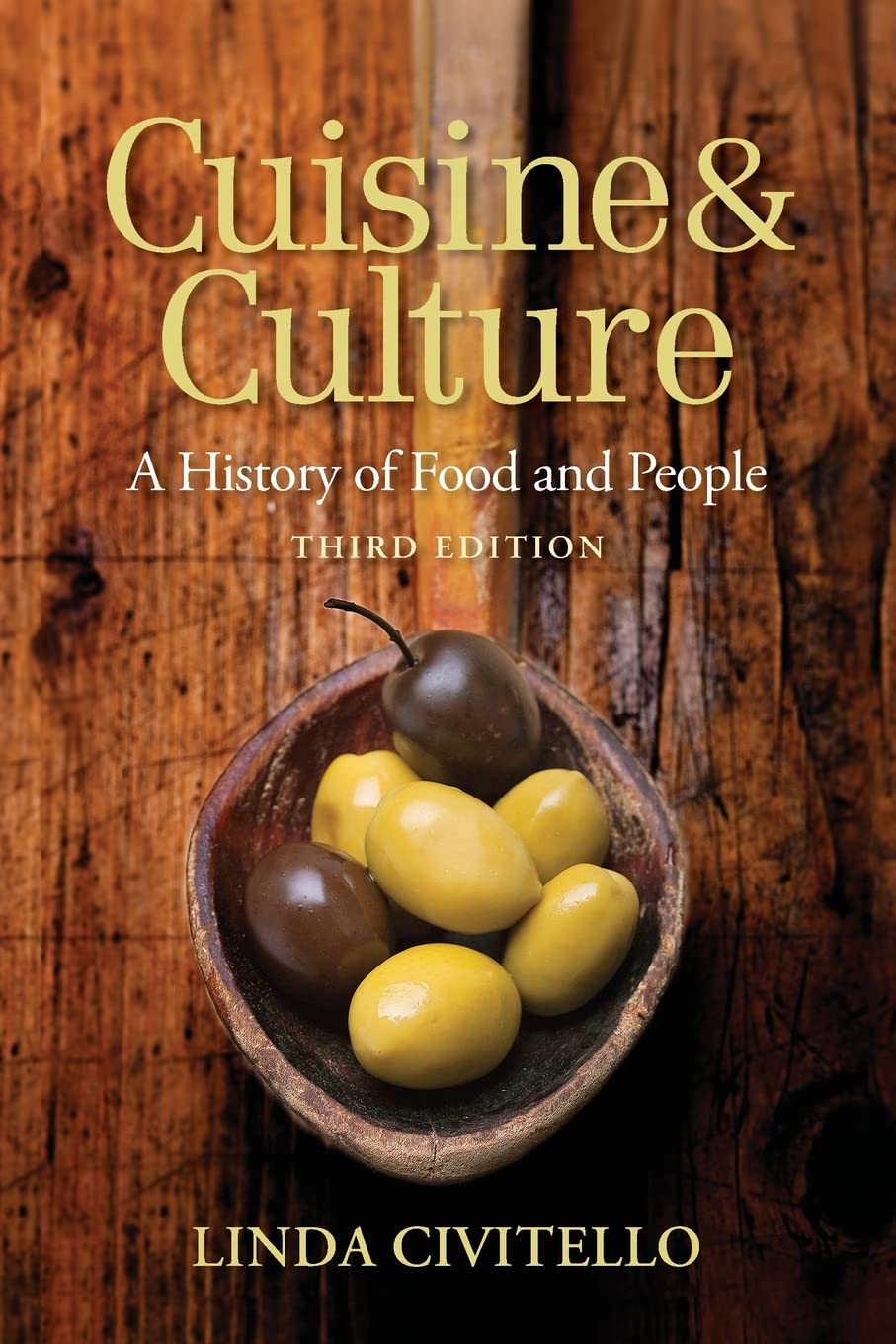
Cuisine and Culture: A History of Food and People

Description:

An illuminating account of how history shapes our diets—now in a new revised and updated Third Edition

Why did the ancient Romans believe cinnamon grew in swamps guarded by giant killer bats? How did African cultures imported by slavery influence cooking in the American South? What does the 700-seat McDonald's in Beijing serve in the age of globalization? With the answers to these and many more such questions,
Cuisine and Culture, Third Edition presents an engaging, entertaining, and informative exploration of the interactions among history, culture, and food.

From prehistory and the earliest societies in the Fertile Crescent to today's celebrity chefs,
Cuisine and Culture, Third Edition presents a multicultural and multiethnic approach to understanding how and why major historical events have affected and defined the culinary traditions in different societies. Now revised and updated, this Third Edition is more comprehensive and insightful than ever before.

* Covers prehistory through the present day—from the discovery of fire to the emergence of television cooking shows
* Explores how history, culture, politics, sociology, and religion have determined how and what people have eaten through the ages
* Includes a sampling of recipes and menus from different historical periods and cultures
* Features French and Italian pronunciation guides, a chronology of food books and cookbooks of historical importance, and an extensive bibliography
* Includes all-new content on technology, food marketing, celebrity chefs and cooking television shows, and Canadian cuisine.

Complete with revealing historical photographs and illustrations,
Cuisine and Culture is an essential introduction to food history for students, history buffs, and food lovers.

More to Explore From the book: Food Innovations During the Depression

Timeline
1929 Popcorn in movie theaters
1930 Howard Johnson’s—first restaurant franchise
1930 Ocean Spray Jellied and Whole Berry Cranberry Sauce
1930 Twinkies
1931
Joy of Cooking published
1931 General Mills markets Bisquick
1932 Frito’s Corn Chips
1933 Prohibition ends; soft drink manufacturers urge soda as mixers
1933 Miracle Whip dressing introduced at Chicago World’s Fair
1934 Ritz Crackers (Nabisco)
1934 Harry & David begin mail-order business for their pears
1934 Girl Scouts begin cookie sales
1934 Los Angeles Farmers Market opens at 3rd and Fairfax
1935 Alcoholics Anonymous founded
1936 Oscar Mayer Wienermobile rolled out
1936 John Tyson, truck driver, buys a chicken hatchery
1937 Pepperidge Farm begins; sells bread above market price
1937 Bama Pie Company incorporates; sells personal-size pies
1937 Toll House Cookies accidentally invented by Ruth Wakefield
1937 Parkay Margarine introduced
1937 Spam
1938 Lay’s Potato Chips
1939 Nestle makes Toll House Real Semi-Sweet Chocolate Morsels

More to Explore From the book: Food Fable--How to Drink and Not Get Drunk

The ancient Greeks loved wine and were always searching for ways to drink without getting drunk. Creative thinking led them to what they thought was the antidote to the downside of Diosnysus: drinking purple wine from a purple vessel made of semi-precious stone would cause the two purples to cancel each other out and negate whatever was in the wine that caused drunkenness. In Greek, the prefix “a” means “not,” methyein means drunk (from methy--wine), so the Greek word for “not drunk” became the name of the purple stone the vessel was made of--amethyst.


Editorial Reviews

Review

"This revised and expanded edition of Civitello's book is a splendid cornucopia of foody facts." (Guardian, April 2011)

From the Inside Flap

A fascinating look at how history and culture shape our diets

Why did Americans once believe Italian food was very bad for you? When was sugar a medicine prescribed by doctors? What do Hawaiian sweet bread, Japanese tempura, and Indian vindaloo have in common? How did the Aztecs use tamales in religious festivals? And what's on the menu at a 700-seat McDonald's in Beijing? Cuisine and Culture, Third Edition answers these questions and many more with an informative and witty exploration of the many ways food, culture, and history intersect and influence each other.

From prehistory and the discovery of fire to modern cuisines and celebrity chefs, this book uses a global, multicultural approach to explain how major historical events have affected and defined culinary traditions in different societies around the world. This indispensable new Third Edition is more comprehensive and insightful than ever, featuring:

  • New cuisines and cultures—including Norwegian, Ethiopian, Canadian, and Mayan

  • More detailed coverage of Japanese, ancient Greek and Roman, and regional Indian and African cuisines

  • New content on modern food technology and food marketing

  • French and Italian pronunciation guides, a chronology of food books and cookbooks of historical importance, and an extensive bibliography

  • Enlightening Holiday Histories, Food Fables, Food Chronologies, and historical recipes and menus

A thorough examination of the way history, culture, politics, wars, and religion determine how and what we eat, Cuisine and Culture, Third Edition is an essential guide for students, historians, and food lovers.

Details:

Cuisine and Culture: A History of Food and People

Product ID: U0470403713
|

Returns & Warranty policies

Imported From: United States

At BOLO, we work hard to ensure the products you receive are new, genuine, and sourced from reputable suppliers.

Every product in the BOLO catalogue is sourced through our Verified Global Supply Network of verified sellers, authorized distributors or directly from the manufacturer.

Each product undergoes thorough inspection and verification at our consolidation and fulfilment centers to ensure it meets our strict authenticity and quality standards before being shipped and delivered to you.

If you ever have concerns regarding the authenticity of a product purchased from us, please contact Bolo Support. We will review your inquiry promptly and, if necessary, provide documentation verifying authenticity or offer a suitable resolution.

Your trust is our top priority, and we are committed to maintaining transparency and integrity in every transaction.

While we strive to display accurate information, variations in packaging, labeling, instructions, or formulation may occasionally occur due to regional differences or supplier updates. For detailed or manufacturer-specific information, please contact the brand directly or reach out to BOLO Support for assistance.

Unless otherwise stated, all prices displayed on the product page include applicable taxes and import duties.

BOLO operates in accordance with the laws and regulations of Qatar. Any items found to be restricted or prohibited for sale within the Qatar will be cancelled prior to shipment. We take proactive measures to ensure that only products permitted for sale in Qatar are listed on our website.

All items are shipped by air, and any products classified as “Dangerous Goods (DG)” under IATA regulations will be removed from the order and cancelled.

All orders are processed manually, and we make every effort to process them promptly once confirmed. Products cancelled due to the above reasons will be permanently removed from listings across the website.

Cuisine and Culture: A History of Food and People

Product ID: U0470403713
Cuisine and Culture: A History of Food and People-0
|

Returns & Warranty policies

Imported From: United States

At BOLO, we work hard to ensure the products you receive are new, genuine, and sourced from reputable suppliers.

Every product in the BOLO catalogue is sourced through our Verified Global Supply Network of verified sellers, authorized distributors or directly from the manufacturer.

Each product undergoes thorough inspection and verification at our consolidation and fulfilment centers to ensure it meets our strict authenticity and quality standards before being shipped and delivered to you.

If you ever have concerns regarding the authenticity of a product purchased from us, please contact Bolo Support. We will review your inquiry promptly and, if necessary, provide documentation verifying authenticity or offer a suitable resolution.

Your trust is our top priority, and we are committed to maintaining transparency and integrity in every transaction.

While we strive to display accurate information, variations in packaging, labeling, instructions, or formulation may occasionally occur due to regional differences or supplier updates. For detailed or manufacturer-specific information, please contact the brand directly or reach out to BOLO Support for assistance.

Unless otherwise stated, all prices displayed on the product page include applicable taxes and import duties.

BOLO operates in accordance with the laws and regulations of Qatar. Any items found to be restricted or prohibited for sale within the Qatar will be cancelled prior to shipment. We take proactive measures to ensure that only products permitted for sale in Qatar are listed on our website.

All items are shipped by air, and any products classified as “Dangerous Goods (DG)” under IATA regulations will be removed from the order and cancelled.

All orders are processed manually, and we make every effort to process them promptly once confirmed. Products cancelled due to the above reasons will be permanently removed from listings across the website.

Description:

An illuminating account of how history shapes our diets—now in a new revised and updated Third Edition

Why did the ancient Romans believe cinnamon grew in swamps guarded by giant killer bats? How did African cultures imported by slavery influence cooking in the American South? What does the 700-seat McDonald's in Beijing serve in the age of globalization? With the answers to these and many more such questions,
Cuisine and Culture, Third Edition presents an engaging, entertaining, and informative exploration of the interactions among history, culture, and food.

From prehistory and the earliest societies in the Fertile Crescent to today's celebrity chefs,
Cuisine and Culture, Third Edition presents a multicultural and multiethnic approach to understanding how and why major historical events have affected and defined the culinary traditions in different societies. Now revised and updated, this Third Edition is more comprehensive and insightful than ever before.

* Covers prehistory through the present day—from the discovery of fire to the emergence of television cooking shows
* Explores how history, culture, politics, sociology, and religion have determined how and what people have eaten through the ages
* Includes a sampling of recipes and menus from different historical periods and cultures
* Features French and Italian pronunciation guides, a chronology of food books and cookbooks of historical importance, and an extensive bibliography
* Includes all-new content on technology, food marketing, celebrity chefs and cooking television shows, and Canadian cuisine.

Complete with revealing historical photographs and illustrations,
Cuisine and Culture is an essential introduction to food history for students, history buffs, and food lovers.

More to Explore From the book: Food Innovations During the Depression

Timeline
1929 Popcorn in movie theaters
1930 Howard Johnson’s—first restaurant franchise
1930 Ocean Spray Jellied and Whole Berry Cranberry Sauce
1930 Twinkies
1931
Joy of Cooking published
1931 General Mills markets Bisquick
1932 Frito’s Corn Chips
1933 Prohibition ends; soft drink manufacturers urge soda as mixers
1933 Miracle Whip dressing introduced at Chicago World’s Fair
1934 Ritz Crackers (Nabisco)
1934 Harry & David begin mail-order business for their pears
1934 Girl Scouts begin cookie sales
1934 Los Angeles Farmers Market opens at 3rd and Fairfax
1935 Alcoholics Anonymous founded
1936 Oscar Mayer Wienermobile rolled out
1936 John Tyson, truck driver, buys a chicken hatchery
1937 Pepperidge Farm begins; sells bread above market price
1937 Bama Pie Company incorporates; sells personal-size pies
1937 Toll House Cookies accidentally invented by Ruth Wakefield
1937 Parkay Margarine introduced
1937 Spam
1938 Lay’s Potato Chips
1939 Nestle makes Toll House Real Semi-Sweet Chocolate Morsels

More to Explore From the book: Food Fable--How to Drink and Not Get Drunk

The ancient Greeks loved wine and were always searching for ways to drink without getting drunk. Creative thinking led them to what they thought was the antidote to the downside of Diosnysus: drinking purple wine from a purple vessel made of semi-precious stone would cause the two purples to cancel each other out and negate whatever was in the wine that caused drunkenness. In Greek, the prefix “a” means “not,” methyein means drunk (from methy--wine), so the Greek word for “not drunk” became the name of the purple stone the vessel was made of--amethyst.


Editorial Reviews

Review

"This revised and expanded edition of Civitello's book is a splendid cornucopia of foody facts." (Guardian, April 2011)

From the Inside Flap

A fascinating look at how history and culture shape our diets

Why did Americans once believe Italian food was very bad for you? When was sugar a medicine prescribed by doctors? What do Hawaiian sweet bread, Japanese tempura, and Indian vindaloo have in common? How did the Aztecs use tamales in religious festivals? And what's on the menu at a 700-seat McDonald's in Beijing? Cuisine and Culture, Third Edition answers these questions and many more with an informative and witty exploration of the many ways food, culture, and history intersect and influence each other.

From prehistory and the discovery of fire to modern cuisines and celebrity chefs, this book uses a global, multicultural approach to explain how major historical events have affected and defined culinary traditions in different societies around the world. This indispensable new Third Edition is more comprehensive and insightful than ever, featuring:

  • New cuisines and cultures—including Norwegian, Ethiopian, Canadian, and Mayan

  • More detailed coverage of Japanese, ancient Greek and Roman, and regional Indian and African cuisines

  • New content on modern food technology and food marketing

  • French and Italian pronunciation guides, a chronology of food books and cookbooks of historical importance, and an extensive bibliography

  • Enlightening Holiday Histories, Food Fables, Food Chronologies, and historical recipes and menus

A thorough examination of the way history, culture, politics, wars, and religion determine how and what we eat, Cuisine and Culture, Third Edition is an essential guide for students, historians, and food lovers.

Details: